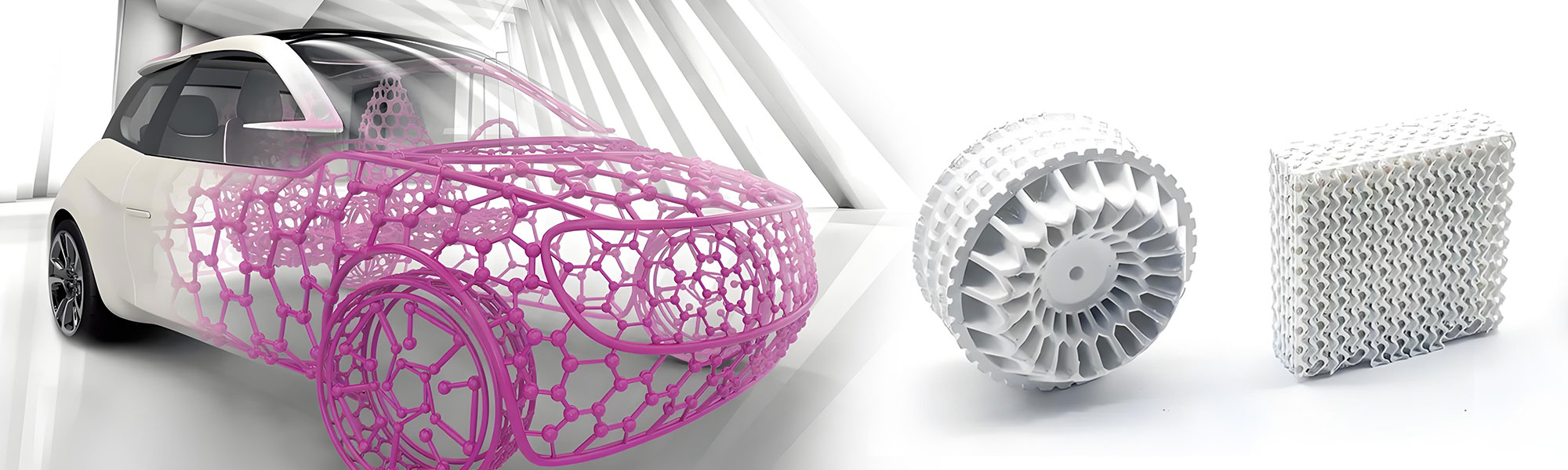
Precision Tech's MIM process supports low alloy steels, stainless steels (316L, 17-4PH, 420, 440C), tool steels, nickel-based alloys, tungsten heavy alloys (min density 16.5 g/cm³), cemented carbides, titanium alloys, magnetic materials, and copper alloys, achieving high density and precision for automotive, medical, aerospace, and consumer applications.
|
Fe-2Ni,Fe-8Ni 310 |
High strength with enhanced surface performance post-heat treatment. |
|
Applications: Structural components in automotive and machinery industries. |
|
|
4605, 4140 42CrMo4 |
Tempered steel for high strength and toughness requirements. |
|
Applications: Machinery, tools, automotive manufacturing, aerospace. |
|
|
316L, 17-4PH, 420, 440C |
Austenitic stainless steel components with superior corrosion resistance. |
|
Applications:Door/window hinges, medical technology, aerospace, jewelry, and consumer goods. |
|
|
WC-Co |
High-density and wear-resistant. |
|
Applications: Cutting tools, watchmaking instruments. |
|
|
Al 2O3, ZrO2, SiO2 IT |
Heat-resistant for extreme environments. |
|
Applications: Automotive hinges, electronics, daily-use products, timepieces. |
|
|
W-Ni-Fe, W-Ni-Cu, W-Cu |
Heavy alloys classified into tungsten-nickel-copper and tungsten-nickel-iron systems (minimum density: 16.5 g/cm³) Applications:Communications, consumer goods. |
|
Ti, Ti-6Al-4V |
Critical structural metal with high strength, corrosion resistance, and heat resistance |
|
Applications: Medical, aerospace, and engine components. |
|
|
Fe50Ni,Fe-Si |
Magnetic materials exhibiting magnetism under external fields. |
|
Applications: Industry, electronics, medical fields. |
|
|
High-speed steel M2 D2 |
High-Speed Steel (HSS) is a tool steel with exceptional hardness, wear resistance, and heat resistance. |
| Applications:Turbine blades for aircraft engines, high-pressure bearings, high-temperature bearings, and sealing components in aerospace. |
| Material classification | Material brand | Application field |
| Iron-based alloy | Fe-2Ni,Fe-8Ni310 | Various structural parts in automobile, machinery and other industries |
| Stainless steel | 316L,17-4PH,420,440C | Medical equipment, watch parts |
| Cemented carbide | WC-Co | Various knives, clocks, watches |
| Ceramics | Al 2O3, ZrO2, SiO2 | IT electronics, daily necessities, watches |
| Heavy alloys | W-Ni-Fe, W-Ni-Cu, W-Cu | Communications, daily necessities |
| Titanium alloys | Ti, Ti-6AI-4V | Medical, aviation |
| Magnetic materials | Fe, Fe50Ni, Fe-Si | Various magnetic components |
| Tool steel | 42CrMo4, M2 | Various tools |
| Copper alloy |
|
Thermal and electrical conductivity |
MIM applies to low alloy steel, stainless steel, tool steel, nickel-based alloy, tungsten alloy, cemented carbide, titanium alloy, magnetic materials, Kovar alloy, and more.
Stainless steel grades like 316L, 17-4PH, 420, and 440C are used in door/window hinges, medical technology, aerospace, jewelry, and consumer goods.
Tungsten-nickel-copper and tungsten-nickel-iron systems have a minimum density of 16.5 g/cm³.
Titanium and Ti-6Al-4V are used in medical, aerospace, and engine components due to high strength, corrosion resistance, and heat resistance.

 Русский
 Español
 Deutsch
 日本語
日本語