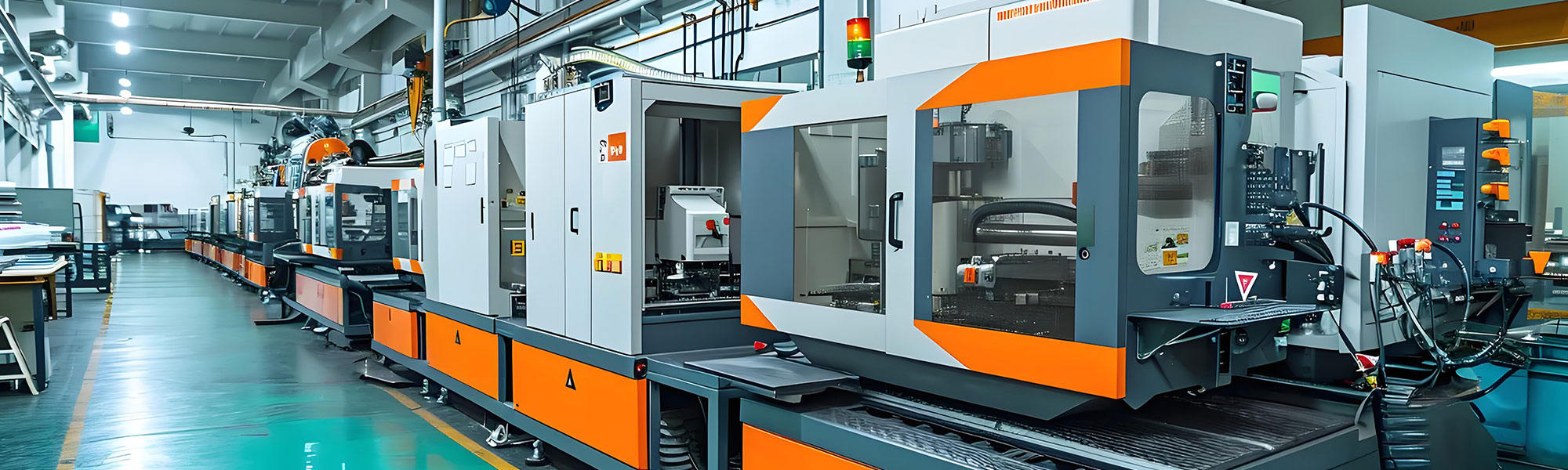
MIM (metal powder injection molding) and traditional PM (pressing-sintering) are distinct powder metallurgy routes: PM uses uniaxial die pressing plus sintering for simple 2.5D parts at 90%–95% density, while MIM uses feedstock injection, debinding, and sintering for complex 3D parts at 97%–99% density and ±0.3% accuracy.
Many people confuse MIM (metal powder injection molding) with traditional powder metallurgy (PM, pressing-sintering). They both belong to the broader powder metallurgy family, but their process routes are completely different. Choosing the wrong direction can double costs and compromise performance.
The traditional PM process is "powder + lubricant → uniaxial die pressing → sintering." Its strengths are high volume and low cost, making it suitable for relatively simple 2.5D parts such as gears and bushings. However, limited by unidirectional pressing, it cannot produce undercuts, deep blind holes, or complex three-dimensional flow channels, and its density typically reaches only 90%–95%, with relatively weak mechanical properties.
MIM, by contrast, combines "the design freedom of plastic injection molding" with "the performance of metal materials": powder and binder are mixed into feedstock → injection molding → debinding → high-temperature sintering. It can form complex three-dimensional geometries, thin walls, fine holes, and small precision parts in one shot, with density reaching 97%–99%, approaching forged material performance, and dimensional accuracy stable at ±0.3%.
How to choose? For simple shapes, 2.5D, very high volume, and cost sensitivity, traditional PM is more cost-effective; for complex 3D, small precision, high strength, and high density, MIM is more suitable. The two are not a replacement relationship, but each has its own role.
Precision Tech is deeply engaged in MIM manufacturing, helping customers achieve net shaping, minimal post-processing, and cost reduction with efficiency gains on complex metal parts. Not sure which process to choose? Welcome to contact us for an evaluation.
Traditional PM uses powder plus lubricant, uniaxial die pressing, and sintering, while MIM uses powder and binder mixed into feedstock, injection molding, debinding, and high-temperature sintering. Their process routes are completely different.
Limited by unidirectional pressing, traditional PM cannot produce undercuts, deep blind holes, or complex three-dimensional flow channels. Its density typically reaches only 90%–95%, with relatively weak mechanical properties.
For simple shapes, 2.5D, very high volume, and cost sensitivity, traditional PM is more cost-effective; for complex 3D, small precision, high strength, and high density, MIM is more suitable. The two are not a replacement relationship.
See how MIM compares with all major metal processes in our MIM vs alternatives comparison guide.
 Русский
 Español
 Deutsch
 日本語
日本語