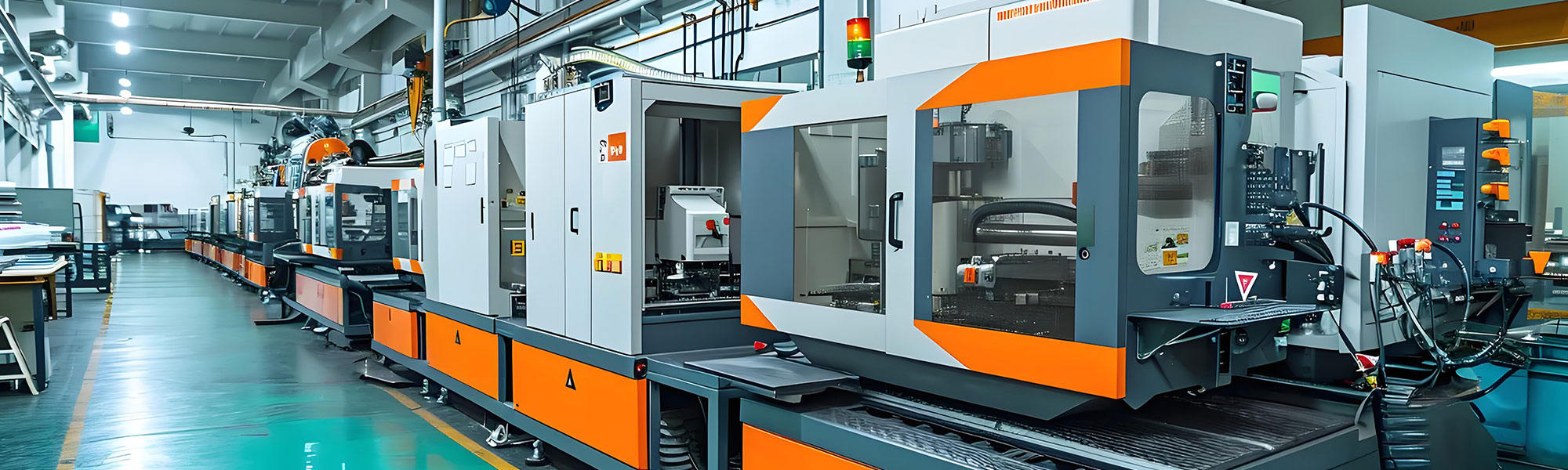
MIM and die casting are both molding processes for metal parts, but MIM molds a metal-powder feedstock that is debound and sintered, suiting small, complex, high-melting parts, while die casting forces molten low-melting alloys like aluminium and zinc into a die for larger parts.
Die casting and metal injection molding (MIM) are both molding processes, so they are often compared — but they work at opposite ends of the metal-parts spectrum. Die casting forces molten metal into a steel die; MIM molds a metal-powder feedstock that is later debound and sintered into a solid part. Choosing between them comes down to alloy, part size, complexity and volume.
Die casting is the workhorse for larger parts in low-melting alloys — aluminium, zinc and magnesium. It delivers high production rates and good surface finish on housings, frames and brackets, but it is limited by alloy choice and by the porosity that comes with shooting liquid metal.
Metal injection molding is built for small, intricate, high-melting parts that die casting cannot touch: stainless steels, low-alloy steels, titanium, copper and tungsten carbide. Where die casting caps out, MIM steps in.
| Factor | MIM | Die casting |
|---|---|---|
| Alloys | Stainless steel, low-alloy steel, titanium, copper, tungsten carbide | Aluminium, zinc, magnesium (low melting point) |
| Typical part size | Small: 0.1 g – 100 g | Larger: tens of grams to several kilograms |
| Tolerance | ±0.3% as-sintered, tighter with machining | Coarser; machining usually needed |
| Density | >97% of theoretical, near-wrought strength | Porosity is normal; lower mechanical strength |
| Complexity | Very high — internal features, undercuts, thin walls | Moderate; limited by draft and wall thickness |
| Volume sweet spot | Tens of thousands to millions per year | High volume, but larger parts |
If the part is small, geometrically complex, has to be strong (steel or stainless), or must hold tight tolerance without machining, MIM is usually the better answer. Common examples include firearm and power-tool mechanisms, medical instruments, lock and gear components, and small automotive parts.
For larger housings and frames in aluminium or zinc, at very high volumes, die casting is faster and cheaper. It also makes sense when the part does not need high mechanical strength or fine tolerance.
Yes. A die-cast housing can carry MIM steel inserts, gears or locking elements — the two processes complement each other rather than compete.
Ningbo Precision Tech is an ISO 9001-certified metal injection molding manufacturer in Ningbo, China, producing small, complex steel, titanium and carbide parts that die casting cannot deliver. Send your drawing and annual volume to Jack@precision-mim.com for a free DFM review.
MIM handles stainless steel, low-alloy steel, titanium, copper and tungsten carbide, whereas die casting is limited to low-melting alloys such as aluminium, zinc and magnesium.
MIM is built for small parts from 0.1 g to 100 g, while die casting covers larger parts from tens of grams to several kilograms.
Yes. A die-cast housing can carry MIM steel inserts, gears or locking elements, so the two processes complement each other rather than compete.
See how MIM compares with all major metal processes in our MIM vs alternatives comparison guide.
 Русский
 Español
 Deutsch
 日本語
日本語