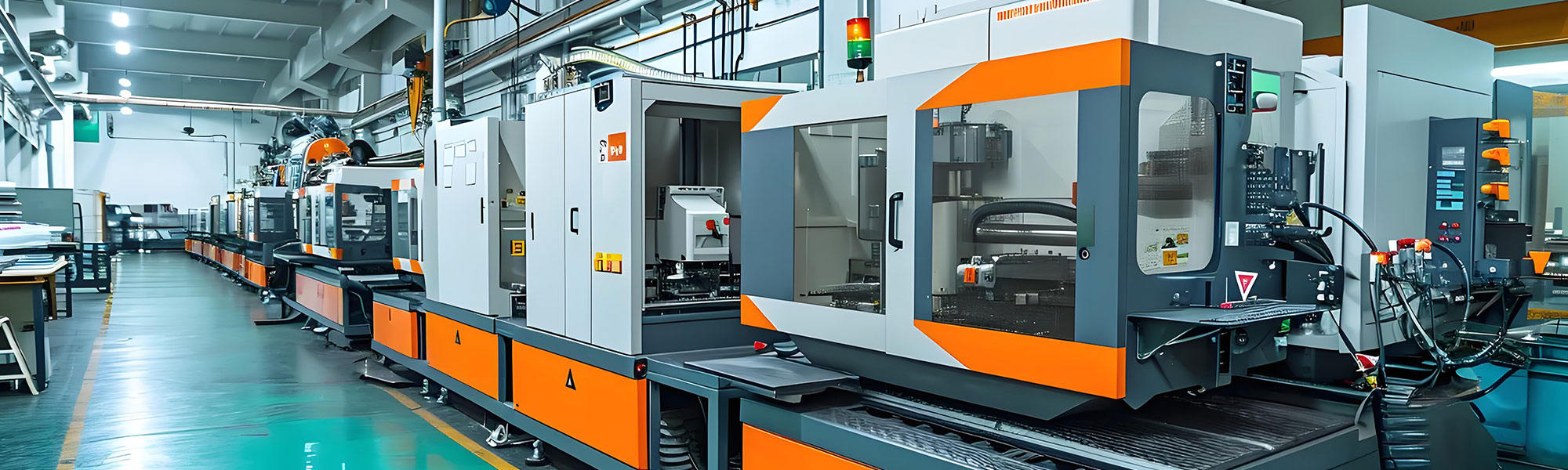
Metal injection molding (MIM) produces complex, near-net-shape steel parts for power tools—gears, pawls, hammers, brackets and chuck components—with wrought-like properties at lower unit cost. It suits high-volume runs (tens of thousands per year), using low-alloy or stainless steels at over 97% density.
Power tools live a hard life. Drills, impact drivers, angle grinders and reciprocating saws are dropped on site, run hot, and cycle thousands of times. Inside that housing sit small, highly loaded metal parts — gears, pawls, clutches, locking rings and structural brackets — where weight, strength and cost all matter at once. Metal injection molding (MIM) has become the process of choice for many of these components.
MIM forms complex, near-net-shape steel parts in a single molding step, so a component that would otherwise need several machining operations comes out of the process nearly finished. The result is a part with wrought-like mechanical properties at a fraction of the unit cost once volumes reach tens of thousands per year.
Power-tool MIM parts are typically made from low-alloy steels such as Fe-2Ni and Fe-8Ni, or stainless grades such as 420 and 17-4PH. After sintering they can be quench-and-tempered or case hardened to raise surface hardness for wear resistance while keeping a tough core. As-sintered density above 97% of theoretical gives the fatigue strength that high-cycle tools demand.
Because MIM grows the part rather than cutting it away, engineers can add fillets, ribs, internal splines and non-machinable features without extra cost. Near-net-shape forming also cuts material waste to a fraction of what a machined-from-bar part produces — meaningful when the alloy is expensive or supply is tight.
Ningbo Precision Tech is an ISO 9001-certified metal injection molding manufacturer in Ningbo, China, producing power-tool gears, pawls and structural parts in stainless and low-alloy steels. Send a drawing with material and annual volume to Jack@precision-mim.com for a free DFM review.
MIM is used for gears and pinions, pawls and ratchets, hammers and anvils, structural brackets and housings, and chuck and collet components.
Typical materials include low-alloy steels such as Fe-2Ni and Fe-8Ni, and stainless grades such as 420 and 17-4PH, often quench-and-tempered or case hardened.
As-sintered density above 97% of theoretical provides the fatigue strength that high-cycle power tools demand.

 Русский
 Español
 Deutsch
 日本語
日本語