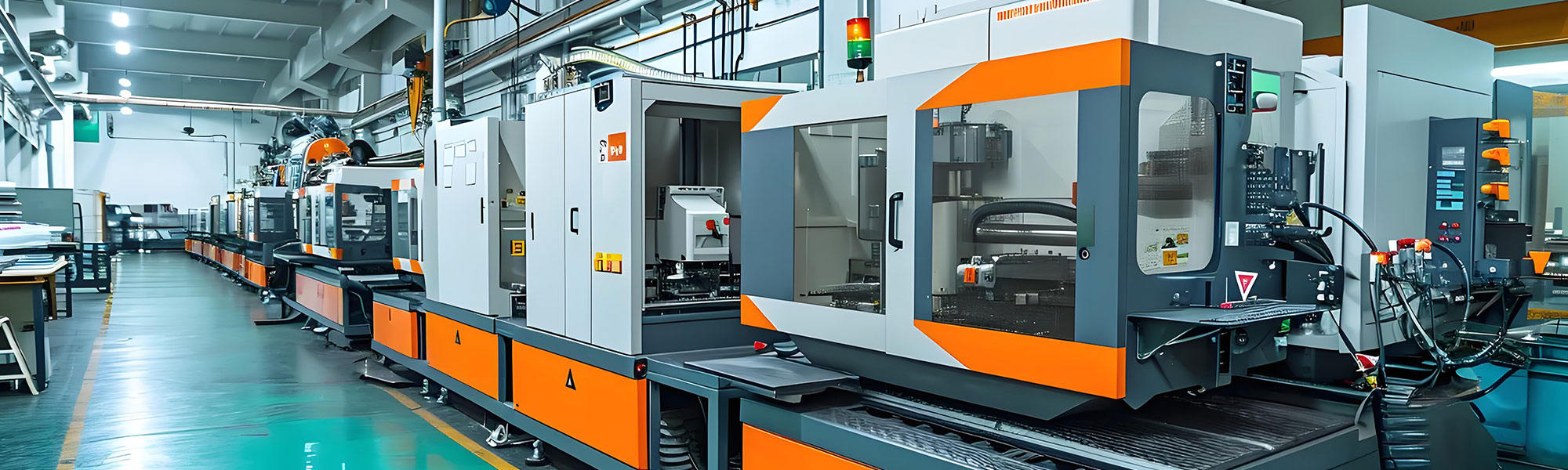
MIM (metal injection molding) is a precision metal part forming process that mass-produces micro components for drones and eVTOL aircraft. It achieves near-net-shape dimensional precision, high material utilization, and stable tolerances, making it ideal for medium-to-large batch orders from hundreds to millions of units.
The low-altitude economy is moving from concept to implementation. The core demands for parts in drones and eVTOL aircraft center on three points: lightweight, high strength, and batch consistency. Traditional CNC machining of complex small parts is costly and inefficient, while MIM (metal injection molding) precisely fills this gap.
In drones and eVTOL, MIM can mass-produce micro precision parts such as motor rotors and stator cores, gimbal brackets, connecting clips, sensor housings, turbines, and heat dissipation structures. One-time molding can achieve near-net-shape dimensional precision, with high material utilization and stable tolerances, making it particularly suitable for medium-to-large batch orders ranging from hundreds to millions of units.
Compared with aluminum or carbon fiber, MIM can use high-performance metals such as stainless steel, titanium alloys, and soft magnetic alloys, making parts thinner and smaller while ensuring strength, freeing up valuable weight budget for the aircraft. As eVTOL enters mass production ramp-up, whoever can achieve both cost and consistency in precision metal parts will hold a key link in the low-altitude supply chain.
MIM can mass-produce motor rotors and stator cores, gimbal brackets, connecting clips, sensor housings, turbines, and heat dissipation structures.
The core demands center on three points: lightweight, high strength, and batch consistency.
MIM can use high-performance metals such as stainless steel, titanium alloys, and soft magnetic alloys, making parts thinner and smaller while ensuring strength.
 Русский
 Español
 Deutsch
 日本語
日本語