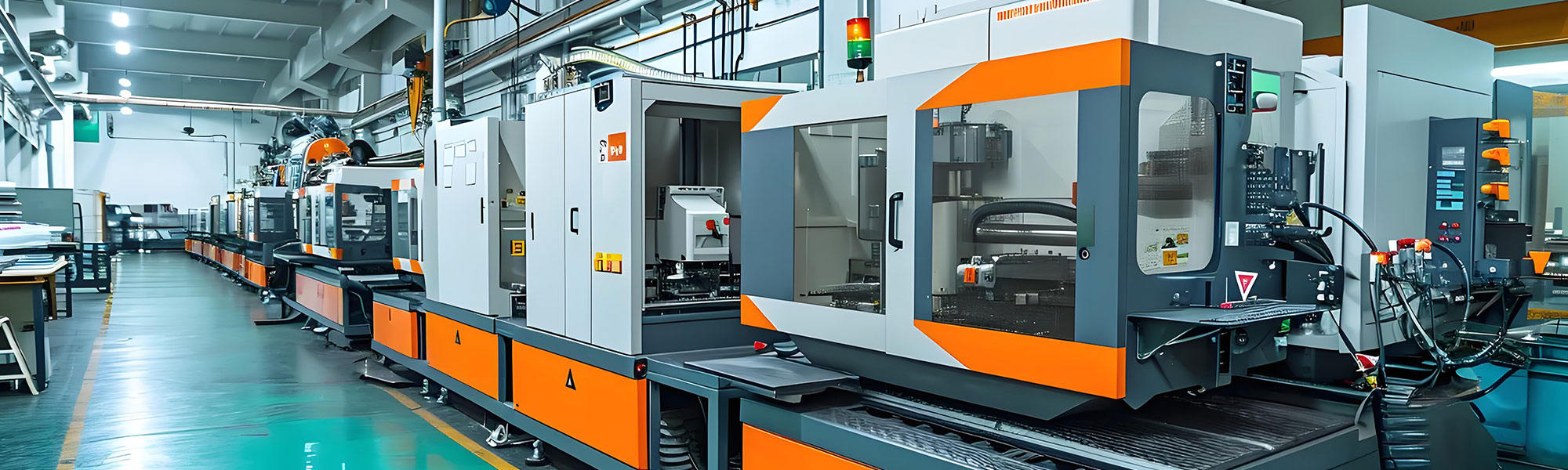
MIM (metal injection molding) is the key manufacturing process for ultra-thin foldable phone hinges, integrally forming complex thin-walled micro parts like cams, gears, and sliders. It offers over 95% material utilization, 30%-50% lower unit cost than CNC at volume, and sintered tensile strength up to 2000MPa.
With the official release of Apple's first foldable phone, the iPhone Duo, the foldable hinge has once again become the focus of supply chain competition. A single hinge contains hundreds of micro cams, gears, and sliders, with matching tolerances required to reach ±0.005mm, wall thickness controlled within 1mm, and it must also pass hundreds of thousands of folding fatigue tests—these specifications make it difficult for traditional CNC machining to support million-unit mass production.
MIM (metal injection molding) is precisely the key process for solving this challenge. It can integrally form complex, irregular thin-walled structures just like injection molding, with material utilization rates as high as over 95%, and at large volumes the per-unit cost is 30%~50% lower than CNC; after sintering and densification, titanium alloys and martensitic stainless steel can achieve tensile strength up to 2000MPa, balancing lightweight design and durability.
The industry expects global foldable phone shipments to grow by about 30% in 2026, and the per-device value of MIM parts for hinges is several times that of bar phones. As a professional MIM manufacturer, we can stably supply consumer electronics customers with high-precision parts such as folding pivots, gears, and camera brackets. Welcome to contact us to evaluate your hinge MIM solution.
Hinges require hundreds of micro parts with tolerances to ±0.005mm and wall thickness within 1mm, which traditional CNC machining struggles to support for million-unit mass production. MIM integrally forms these complex thin-walled structures with over 95% material utilization.
After sintering and densification, titanium alloys and martensitic stainless steel can achieve tensile strength up to 2000MPa, balancing lightweight design and durability.
At large volumes, MIM's per-unit cost is 30%~50% lower than CNC, while also delivering high material utilization rates of over 95%.

 Русский
 Español
 Deutsch
 日本語
日本語