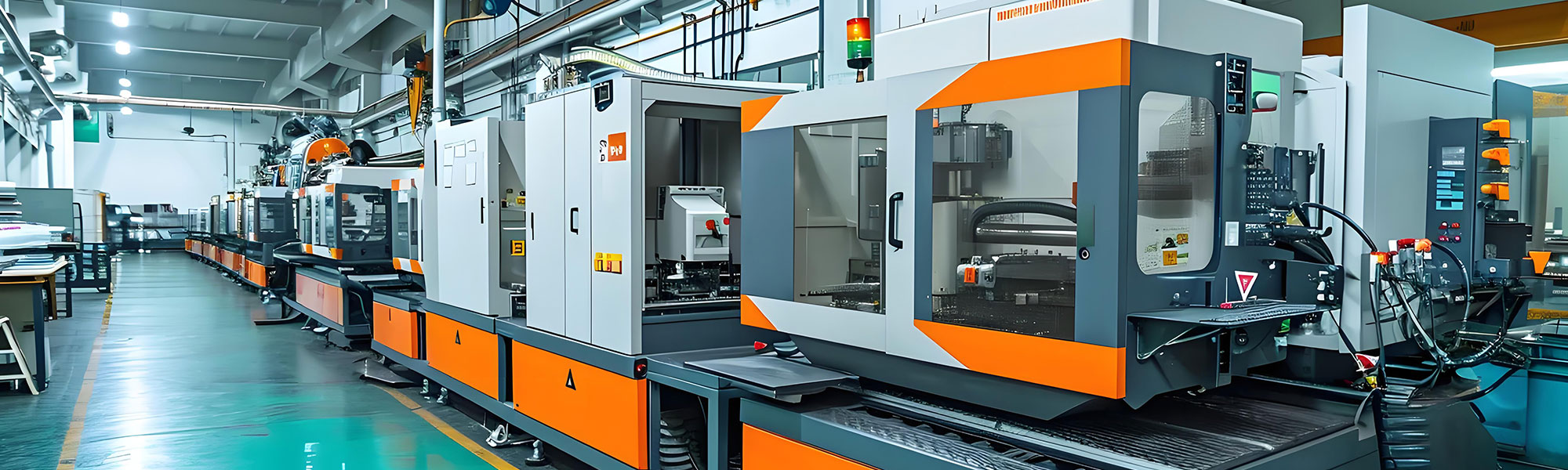
Metal injection molding (MIM) is evolving in 2026 through deep integration with 3D printing and AI. 3D printing shortens mold cycles and enables low-volume complex parts, while AI optimizes feedstock, injection, sintering, and quality control, boosting yields and cutting R&D cycles.
In 2026, the metal injection molding (MIM) industry is ushering in a new round of technological transformation. With the deep integration of emerging technologies such as 3D printing and artificial intelligence into the MIM process, the industry is advancing from precision manufacturing to a new stage of intelligent manufacturing.
The combination of MIM and 3D printing is particularly noteworthy: 3D printing can rapidly produce molds, greatly shortening mold development cycles; it can also directly print part green bodies, which are then combined with MIM's mature sintering process to enhance performance, enabling customized, low-volume production of complex parts. The two complement each other's strengths, retaining MIM's cost advantages in high-volume production while gaining 3D printing's design freedom.
At the same time, AI technology is penetrating every stage of MIM—from feedstock formulation optimization and injection process parameter tuning to intelligent prediction of sintering shrinkage and quality control. AI continuously improves yield rates for complex parts and significantly shortens R&D cycles.
Market data also confirms this trend: the global MIM market is projected to grow from approximately USD 5.57 billion in 2026 to USD 12.3 billion by 2035, with a compound annual growth rate of about 9.1%; China's market already accounts for more than 30% of the global share, with high-end applications in consumer electronics, automotive, and medical sectors continuing to expand.
As a professional MIM manufacturer, we continuously keep pace with the latest processes and material technologies to provide customers with high-precision, high-consistency metal injection molding solutions. Contact us to discuss your next project!
3D printing rapidly produces molds and directly prints part green bodies that are then sintered via MIM's mature process, enabling customized, low-volume production of complex parts while retaining MIM's high-volume cost advantages.
AI penetrates every stage of MIM, from feedstock formulation optimization and injection process parameter tuning to intelligent prediction of sintering shrinkage and quality control, continuously improving yield rates for complex parts and shortening R&D cycles.
The global MIM market is projected to grow from approximately USD 5.57 billion in 2026 to USD 12.3 billion by 2035, a compound annual growth rate of about 9.1%, with China accounting for over 30% of the global share.
 Русский
 Español
 Deutsch
 日本語