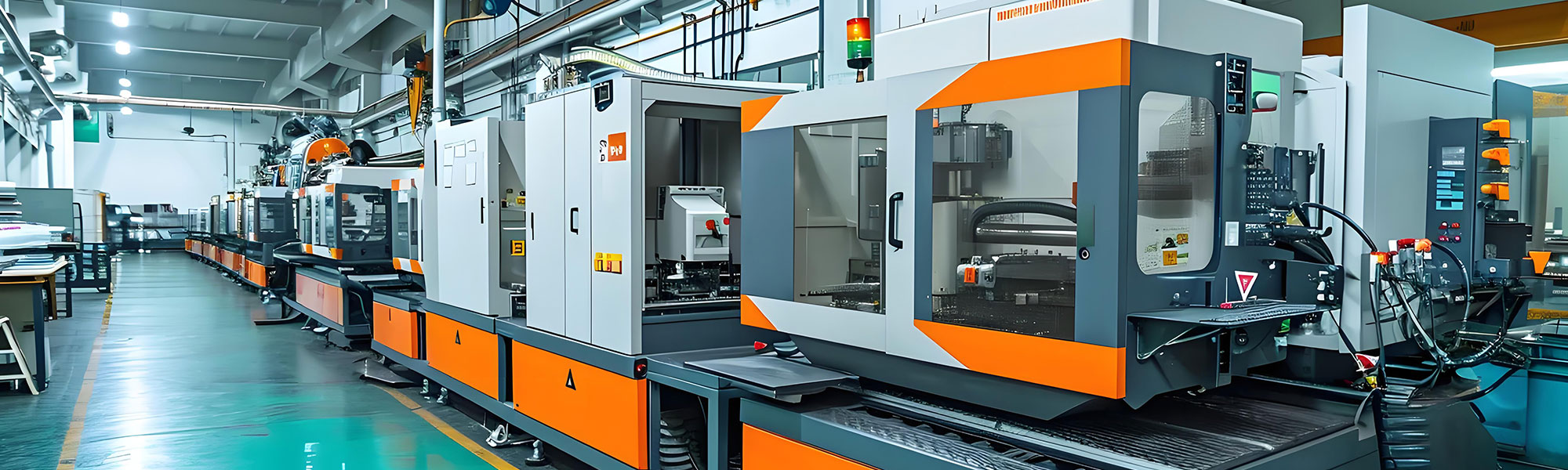
Metal injection molding (MIM) cost is built from five blocks: tooling, feedstock, molding, debinding and sintering, and yield. Each supplier weights these differently based on press size, furnace loading, powder sourcing and assumed volume, which explains why quotes for the same drawing can differ by 40%.
Buyers often send one STEP file to three MIM suppliers and receive three very different prices. The gap is rarely greed. Metal injection molding cost is built from five separate blocks — tooling, feedstock, molding, debinding and sintering, and yield — and every supplier weights those blocks differently depending on press size, furnace loading, powder sourcing and the volume they assume. Understanding the structure makes a quote readable instead of mysterious, and it shows exactly where a part can be redesigned to save money.
A MIM mold is a hardened steel tool built to survive hundreds of thousands of shots. It typically carries core-cavity inserts, a runner and gate system, ejector pins and a cooling layout designed around shrinkage, so it costs far more than a simple plastic mold of the same size. Multi-cavity tools raise the tooling price but cut the per-part molding cost. Tooling is amortized across the order, which is why the same part quoted at 5,000 pieces looks expensive and at 500,000 pieces looks cheap.
Feedstock is a compound of fine metal powder and a proprietary binder system. Price is driven by alloy chemistry, particle size distribution and powder loading. Gas-atomized 17-4PH costs more than a water-atomized low-alloy steel; fine powder below 10 microns improves sintering and surface finish but costs more per kilogram and is harder to mold. Stainless and low-alloy grades are commodity-priced. Titanium, tungsten-heavy alloys and magnetic alloys are not.
Molding is the fastest and most predictable step. Cost per part is essentially machine hour rate divided by parts per hour, so three levers matter: cavitation, cycle time and scrap rate. Thin walls and long cores slow cooling. Aggressive undercuts force slide actions that add tooling cost and maintenance. A well-balanced feed system and uniform wall thickness can cut cycle time by double digits.
Sintering runs near 1,300–1,400 °C for many stainless steels and holds for hours under controlled atmosphere. Furnace cost is charged by load, not by part, so a small, densely packed batch spreads the energy bill across more components. Odd shapes, tall parts and low stacking density raise unit cost even when the molding step is efficient. Post-sinter steps — HIP, heat treatment, tumbling — each add a line item.
MIM yield loss concentrates in warpage, cracks, short shots and porosity, and it is quoted as a percentage, not a promise. Tight tolerances beyond the as-sintered capability of ±0.3% require 100% inspection or machining, which can double the piece price on a small part. Threads, knurling, marking and polishing are quoted separately.
The gap is rarely greed; each supplier weights the five cost blocks differently depending on press size, furnace loading, powder sourcing and assumed volume. Understanding the structure makes a quote readable instead of mysterious.
Below 10,000 pieces, tooling dominates and MIM often loses to machining. Above 100,000 pieces, multi-cavity tooling and automated inspection push unit cost toward the material floor.
Buyers should keep wall thickness uniform, specify as-sintered tolerances only where needed, choose a commodity alloy unless the environment demands otherwise, and share annual volume rather than just the first order quantity.
 Русский
 Español
 Deutsch
 日本語