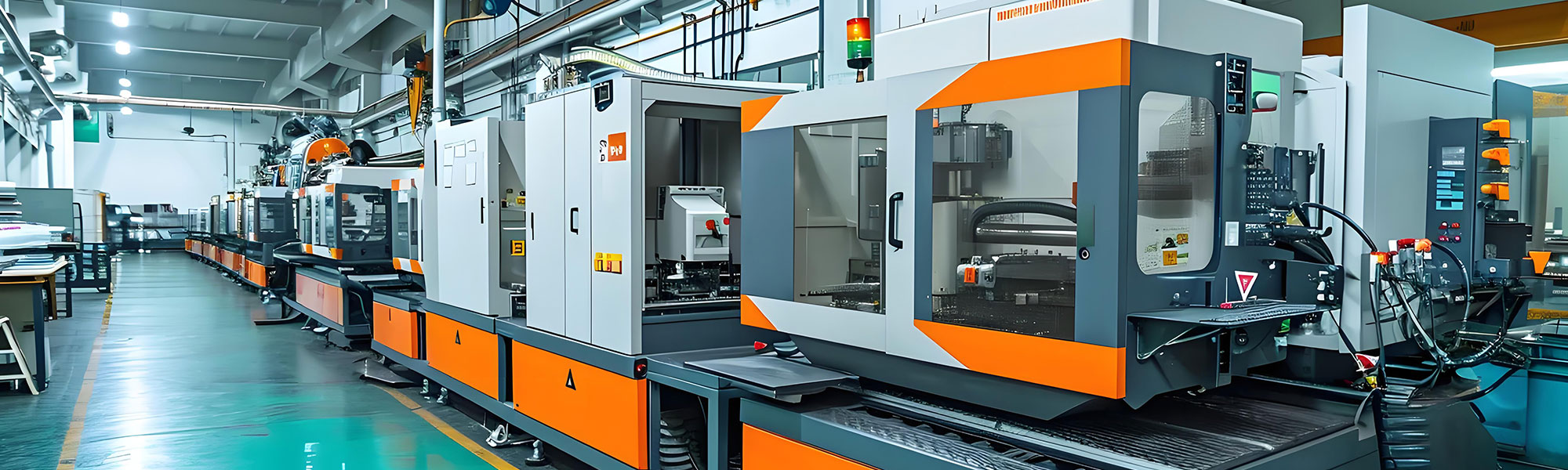
Metal injection molding (MIM) produces lock and hardware components by molding near-final metal parts in a single shot and sintering them to 96–99% of wrought density. It suits latch bolts, cylinder cams, key plugs and spindles, offering plastic-molding geometry freedom with stainless or low-alloy steel strength.
Locks, latches, handles and door hardware live in a hard design corner: the visible parts must look and feel premium, the internal mechanism must work for hundreds of thousands of cycles, and the price is set by buyers who compare quotes from three continents. Metal injection molding (MIM) fits that corner better than most people expect, and it is one of the fastest-growing segments in the hardware supply chain.
The reason is simple. A MIM latch bolt, cylinder cam, key plug or deadbolt thrower is molded to near-final shape in a single shot, then sintered to 96–99% of wrought density. You get the geometry freedom of plastic molding with the strength of stainless or low-alloy steel — no milling a block down to 30% chips, no assembly of three stamped pieces.
Security hardware rarely needs exotic alloys, but it does need the right one. 316L stainless handles coastal humidity and salt spray far better than zinc die casting. 17-4PH delivers high strength after aging, which matters for bolts and load-bearing pivots. Low-alloy steel with heat treatment covers internal mechanism parts where wear resistance beats corrosion resistance. Bronze and nickel-silver remain popular for decorative, tactile faces.
Compare that with zinc die casting, the traditional hardware process. Zinc gives good surface finish, but hollow sections and thin bosses cannot be formed reliably, and the material is soft. MIM removes both limits: wall thickness down to about 0.3 mm, integrated internal features, and mechanical properties close to wrought metal.
MIM is a volume process. Tooling is modest — often a fraction of a progressive stamping die — but the economics only work from a few thousand pieces upward per year, with the sweet spot between 10,000 and several million. Below that, CNC or investment casting still wins on total cost.
The savings come from three places: near-net-shape (material utilization above 95%), consolidated assemblies (one MIM part replacing three machined or stamped parts), and reduced finishing. A latch bolt that used to need milling, drilling and deburring can often ship straight from the sintering furnace with only a light tumbled finish.
Standard MIM tolerances run around ±0.3% of nominal dimension, with tighter control — down to ±0.1% on selected features — achievable through in-process gauging and sinter-shrinkage compensation. For visible surfaces, post-sinter polishing, PVD coating, electroplating or passivation are routine and integrate directly into the production flow.
If you are developing a new lock line or re-sourcing hardware components, send us the drawing with annual volume and target cost. We will tell you within days whether MIM is the right process — and if it is not, we will say so.
Typical MIM parts include latch bolts and deadbolts, cylinder plugs and key cams, handle spindles and rosette inserts, hinges and pivot pins, and panic-bar internals such as small levers, arms and pawls.
MIM economics work from a few thousand pieces upward per year, with the sweet spot between 10,000 and several million; below that, CNC or investment casting still wins on total cost.
Standard MIM tolerances run around ±0.3% of nominal dimension, with tighter control down to ±0.1% on selected features achievable through in-process gauging and sinter-shrinkage compensation.
 Русский
 Español
 Deutsch
 日本語