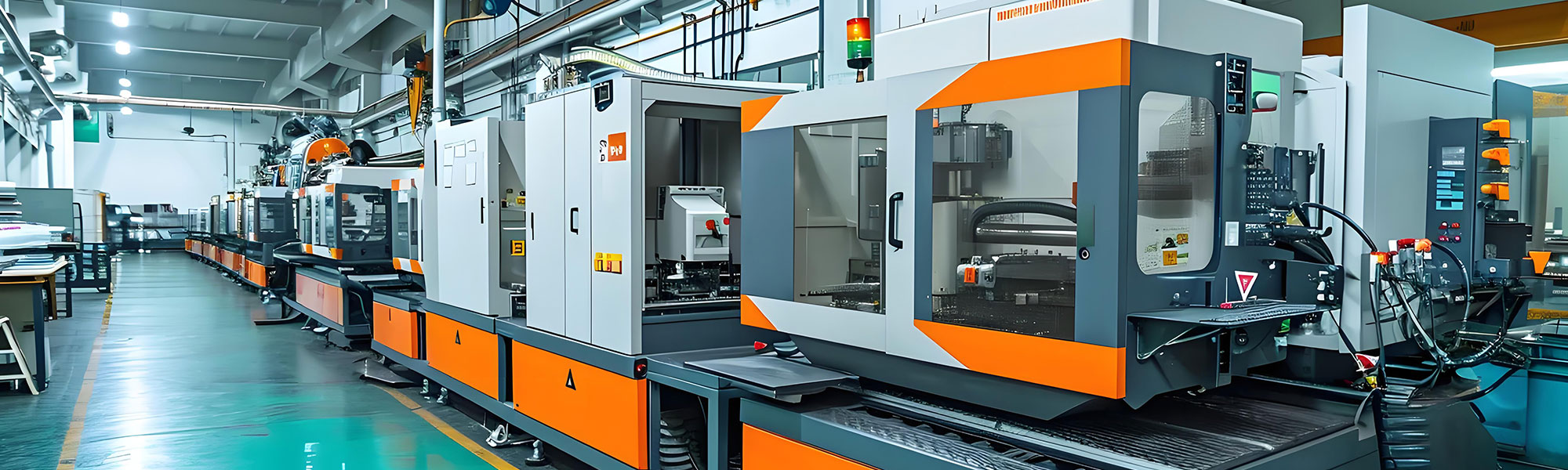
Metal injection molding (MIM) produces orthodontic brackets by molding net-shape green parts from metal powder and binder, then debinding and sintering to 97–99% density. This forms archwire slots, tie-wings and base contours in one shot, becoming economical from roughly 10,000–20,000 pieces per year per design.
An orthodontic bracket is one of the smallest precision parts in mass production. A twin bracket weighs well under a gram, yet its archwire slot must hold tolerances that directly control how a tooth moves. If the slot is 0.02 mm oversize, torque expression drops and the clinician compensates with bends, longer treatment time, or a re-bond. That is why bracket manufacturing has historically stayed with machining and stamping — and why both processes struggle as volumes rise and bracket geometry becomes more complex: self-ligating clips, hooks, convertible tie-wings and built-in power arms.
MIM sits between machining and stamping in the most useful way. The process molds a net-shape green part from metal powder and binder, then debinds and sinters it to near full density (typically 97–99%). For orthodontic and dental components this means:
Bracket quality is not set by the molding machine alone. Feedstock consistency (powder size, binder system, solids loading) controls shrinkage; debinding atmosphere controls carbon and oxygen; sintering profile controls density and grain size. For dental parts we add tumbling, electropolishing or micro-blasting to remove gate vestiges and achieve the smooth surface that plaque retention and patient comfort demand, followed by passivation and, where required, biocompatibility testing to ISO 10993.
Machining wins for prototypes and short runs under a few thousand pieces, and it gives the tightest as-machined slot tolerance. Stamping is fast and cheap for flat, simple brackets but loses accuracy as features stack up. MIM becomes the better economic choice from roughly 10,000–20,000 pieces per year per design, and the gap widens with geometric complexity. On a self-ligating bracket with an integrated clip channel, MIM frequently replaces three or four separate operations.
If you are developing a bracket, a dental handpiece component or an implant-adjacent part, the practical starting point is a DFM review of the 3D model plus a tooling quote at your expected annual volume — not a price per piece in isolation.
MIM parts are sintered to near full density, typically 97–99%.
MIM becomes the better economic choice from roughly 10,000–20,000 pieces per year per design, and the gap widens with geometric complexity.
Keep walls at 0.3 mm minimum, though 0.5 mm or more is safer for thin tie-wings.

 Русский
 Español
 Deutsch
 日本語