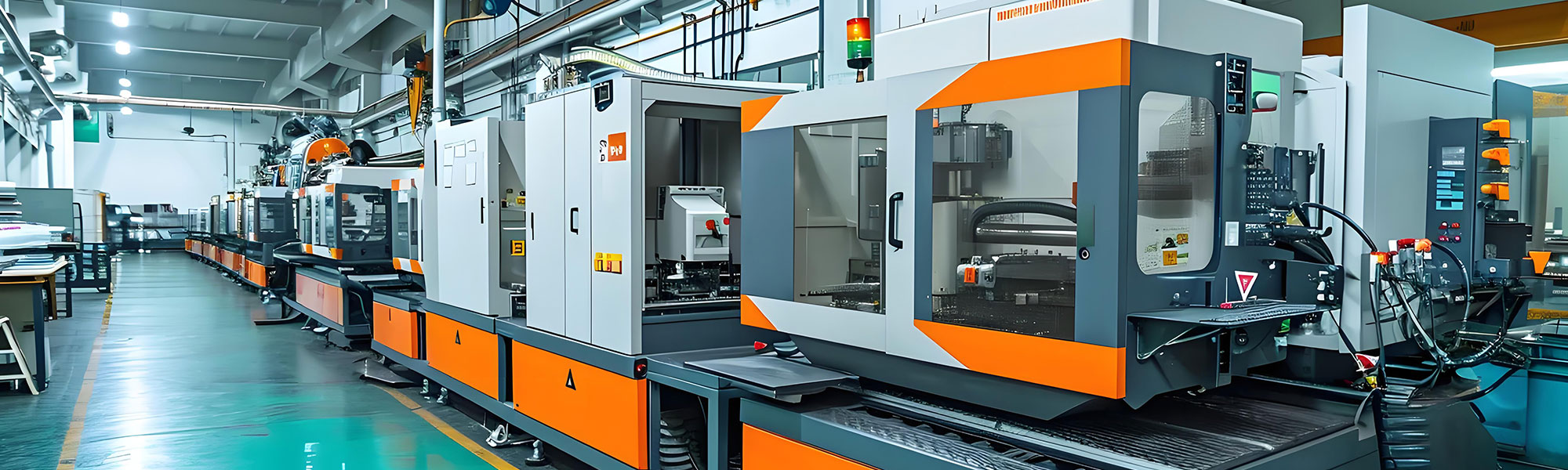
MIM sintering atmosphere performs three jobs: removing residual binder, reducing oxide films so metal necks form, and holding the alloy's carbon level to spec. Vacuum suits stainless and structural steels, hydrogen suits magnetic and tungsten alloys, and argon protects high-chromium grades at peak temperature.
Sintering is the step where a MIM part stops being a fragile brown body and becomes metal. The furnace atmosphere does three jobs at once: it carries away the last binder residue, it reduces the oxide films on the powder particles so necks can form, and it holds the alloy's carbon level where the spec says it should be. Get it wrong and no amount of good molding saves the batch — sooting, decarburization or blistering appears only after the parts are already expensive.
It has to keep oxygen partial pressure low enough to reduce iron and chromium oxides at temperature, sweep binder vapor out of the hot zone before it cracks and deposits carbon, and stay chemically compatible with the alloy. Those three requirements pull in different directions, which is why furnace recipes are alloy-specific rather than universal.
Vacuum is the workhorse for stainless steels, low-alloy steels and most structural MIM grades, typically 10⁻² to 10⁻¹ mbar through the hold. It gives excellent oxide reduction and avoids nitrogen pickup. The catch is chromium: above roughly 1300 °C at very low pressure, chromium evaporates from the surface, dulling corrosion resistance. The standard fix is a partial-pressure backfill of argon or nitrogen once the part is above the critical temperature.
Hydrogen gives the strongest reducing power and the brightest parts, which is why it suits magnetic alloys, tungsten heavy alloys and hardenable grades where surface carbon must be tightly controlled. It is also the least forgiving: dew point has to be held below about −40 °C and the purge, retort and exhaust engineering is non-negotiable. Hydrogen is a deliberate choice for specific alloys, not a default.
Argon is inert and clean but expensive to run continuously. Nitrogen is cheap and fine for many steels, but it can form nitrides and, in stainless grades, tie up chromium at the surface — a common cause of unexpected corrosion failures. For high-chromium and high-manganese alloys, a partial-pressure argon backfill at peak temperature is usually the safest compromise.
The practical rule: stainless and structural steels run vacuum with a partial-pressure backfill, magnetic and tungsten alloys lean toward hydrogen, and high-chromium or manganese grades need argon protection at peak temperature. Validate any recipe with a coupon and a metallographic cross-section before production, because atmosphere problems stay invisible until they are expensive.
If you are specifying a MIM program and want the sintering recipe fixed at quotation stage rather than discovered during PPAP, send us the alloy, the wall thickness and the property target — our process team will tell you which atmosphere we would run and why.
It carries away the last binder residue, reduces oxide films on the powder particles so necks can form, and holds the alloy's carbon level where the specification requires.
Above roughly 1300 °C at very low pressure, chromium evaporates from the surface and dulls corrosion resistance, so a partial-pressure backfill of argon or nitrogen is used once the part is above the critical temperature.
Blistering comes from trapped binder vapor escaping too late, and the fix is to slow the ramp through 400–600 °C.
 Русский
 Español
 Deutsch
 日本語