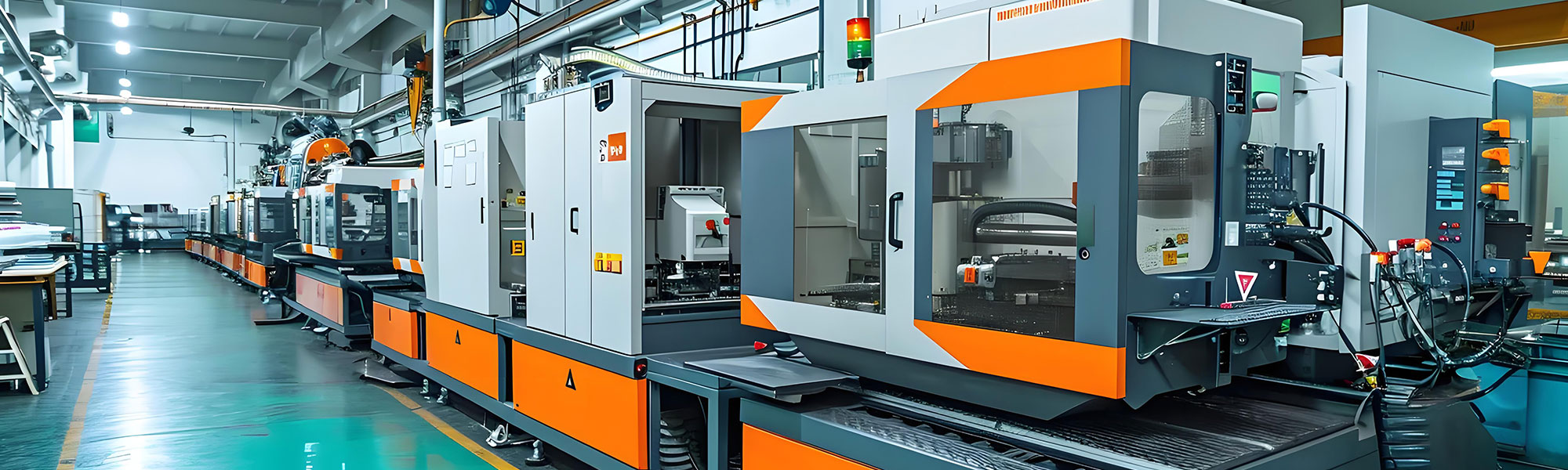
Titanium alloy MIM uses near-net-shape metal powder injection molding to mass-produce complex, high-precision small titanium parts at lower cost than machining. Titanium alloys offer high specific strength, corrosion resistance, and biocompatibility, making MIM ideal for medical implants, aerospace, wearables, and 3C electronics.
In recent years, metal powder injection molding (MIM) technology is rapidly extending from consumer electronics to high-value-added medical and aerospace fields, with titanium and titanium alloys becoming one of the most closely watched material directions.
Titanium alloys offer high specific strength, excellent corrosion resistance, and good biocompatibility, but traditional machining suffers from low efficiency and significant material waste. The MIM near-net-shape process can mass-produce complex-structured, high-precision small titanium alloy parts at lower cost, and is considered an ideal alternative.
The current mainstream route is: titanium alloy powder and binder are mixed into feedstock, injection molded to obtain a green body, and after debinding, sintering, and post-processing, the final part is obtained. Industry data shows that gas-atomized spherical titanium powders (such as TC4, TA1) have achieved stable mass production in 0-20μm and 0-45μm specifications, with low oxygen content and good flowability, meeting the stringent requirements of medical implants, smart wearables, and 3C electronics.
As the medical device market continues to expand and the demand for lightweight aerospace components rises, titanium alloy MIM is expected to become the next growth engine after the stainless steel system. For precision component suppliers, laying out titanium alloy feedstock and sintering processes in advance will win a significant first-mover advantage.
Titanium alloys offer high specific strength, excellent corrosion resistance, and good biocompatibility, while MIM avoids the low efficiency and material waste of traditional machining.
Titanium alloy powder and binder are mixed into feedstock, injection molded into a green body, then debound, sintered, and post-processed to obtain the final part.
Gas-atomized spherical titanium powders such as TC4 and TA1 are stably mass-produced in 0-20μm and 0-45μm specifications with low oxygen content and good flowability.
 Русский
 Español
 Deutsch
 日本語