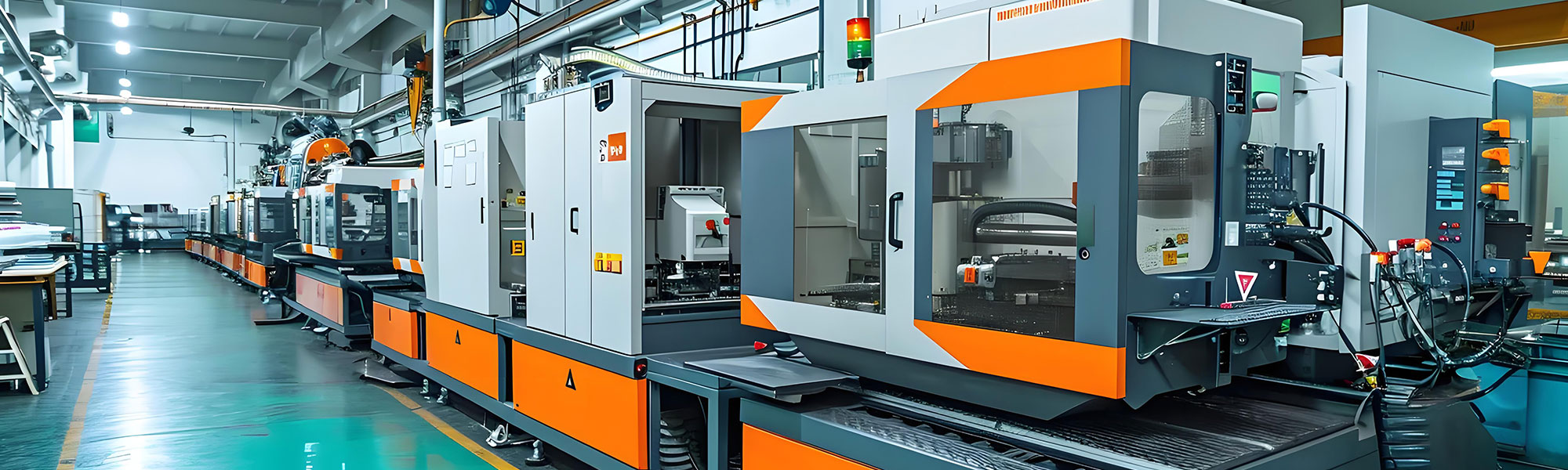
Metal powder injection molding (MIM) is a near-net shape process that mixes metal powder with a binder, then uses injection molding, debinding, and sintering to produce high-density precision parts. It suits small, complex, high-precision, large-batch components, raising material utilization above 80% and reducing processing steps.
In the field of precision metal component manufacturing, metal powder injection molding (MIM) is emerging as an important path to cost reduction and efficiency improvement in high-end manufacturing, thanks to its near-net shape capability. Compared with traditional machining, MIM can increase material utilization to over 80%, effectively saving precious metal raw materials while significantly reducing subsequent processing steps.
The MIM process mixes metal powder with a binder, followed by injection molding, debinding, and sintering to obtain high-density parts. It is particularly suitable for small parts with complex shapes, large batch sizes, and high precision requirements, such as connectors, lock structural components, medical devices, and precision components for consumer electronics. Its dimensional accuracy is stable and batch consistency is good, meeting the stringent reliability standards of the automotive, 3C, and medical industries.
As the consumer electronics, new energy vehicle, and medical device markets continue to expand, MIM applications in materials such as titanium alloys, stainless steel, and copper alloys are constantly growing. For customers pursuing lightweight design, integration, and cost optimization, MIM is upgrading from an alternative process to the preferred solution at the design stage. precision-mim.com provides one-stop MIM solutions from material selection to mass delivery.
MIM mixes metal powder with a binder, followed by injection molding, debinding, and sintering to obtain high-density parts. It is a near-net shape process for precision metal components.
MIM is particularly suitable for small parts with complex shapes, large batch sizes, and high precision requirements, such as connectors, lock structural components, medical devices, and precision components for consumer electronics.
Compared with traditional machining, MIM can increase material utilization to over 80%, saving precious metal raw materials while significantly reducing subsequent processing steps.
 Русский
 Español
 Deutsch
 日本語